
Maasai Mara Game Reserve Highlights
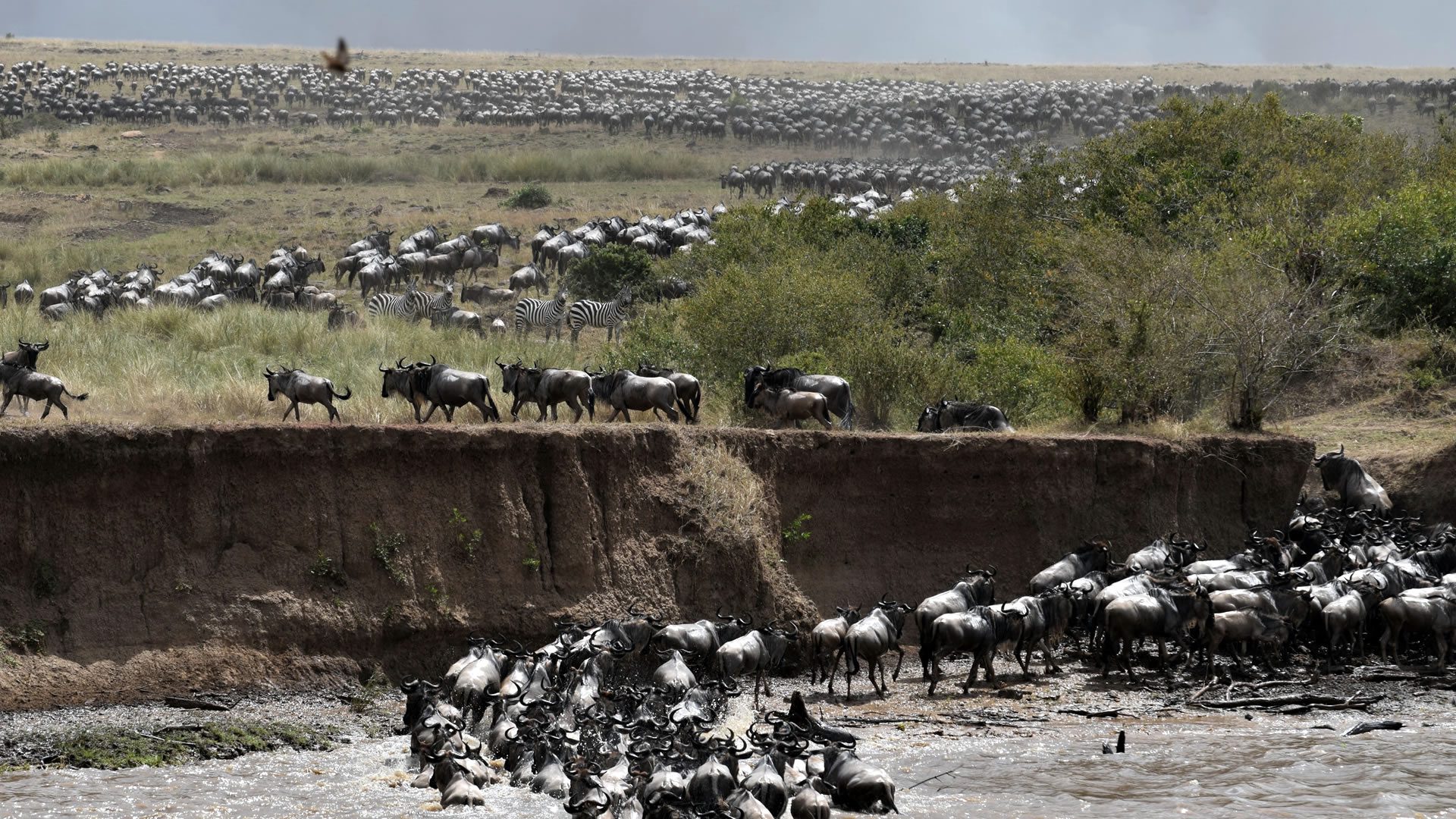
The Masai Mara is a northern extension of Tanzania’s Serengeti, and is the site of the annual Great Wildebeest Migration which takes place from late July through to early October during which millions of wildebeest and thousands of zebra migrate from the Serengeti in Tanzania. The Masai Mara’s Great Migration is regarded as one of the greatest wildlife spectacles and natural wonders to witness first-hand. By far the most anticipated part of this journey is the dramatic Mara River crossings that occur between July and September as the animals enter Kenya.
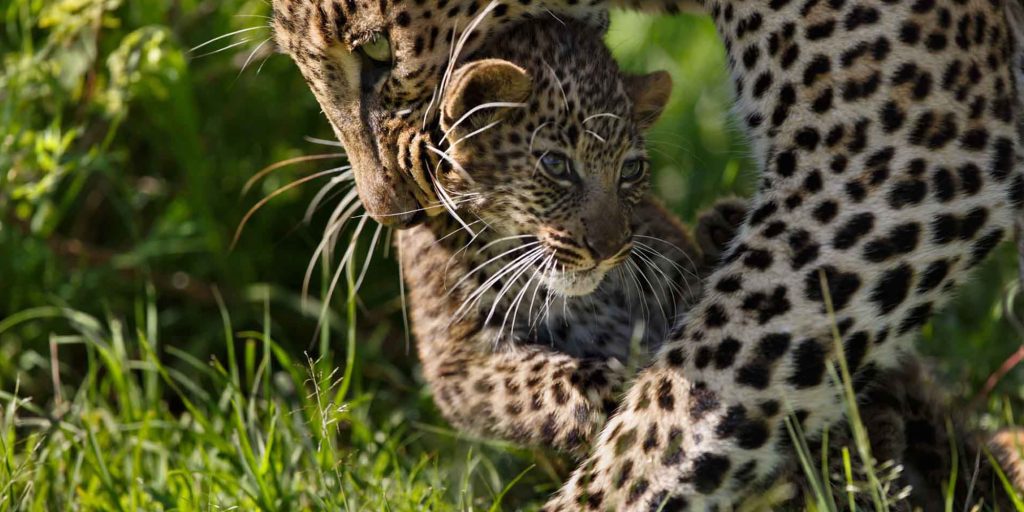
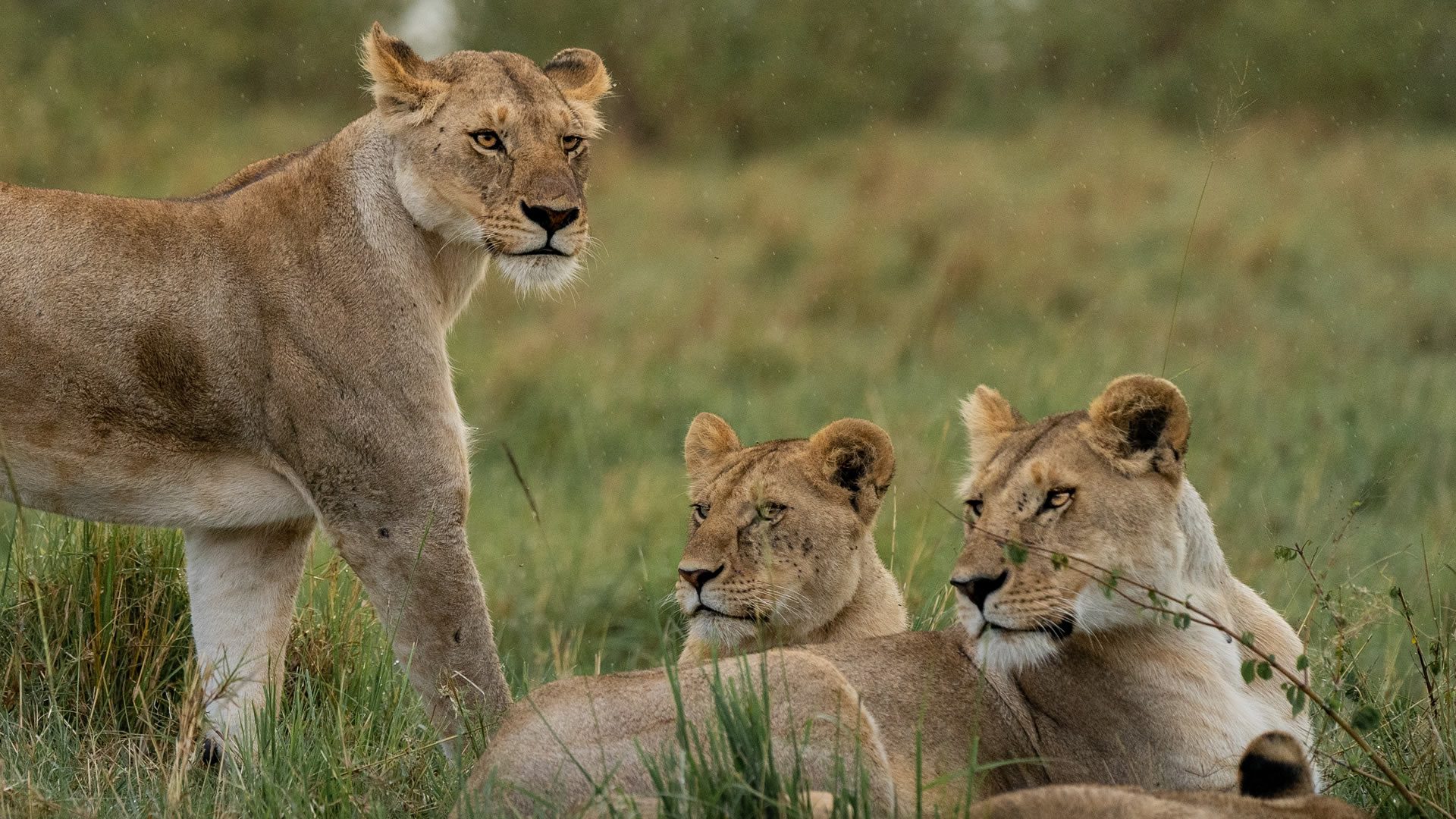
Along with millions of wildebeest and huge herds of zebra, antelopes and other grazers, this jaw-dropping spectacle is a magnet for predators. There is no better place to witness lion, leopard, and cheetah in double-quick time, helped by the open terrain and the cats’ ease around vehicles. The Masai Mara National Reserve is therefore one of the best places in Africa for big cat sightings.
Maasai Mara Game Reserve: In Pictures
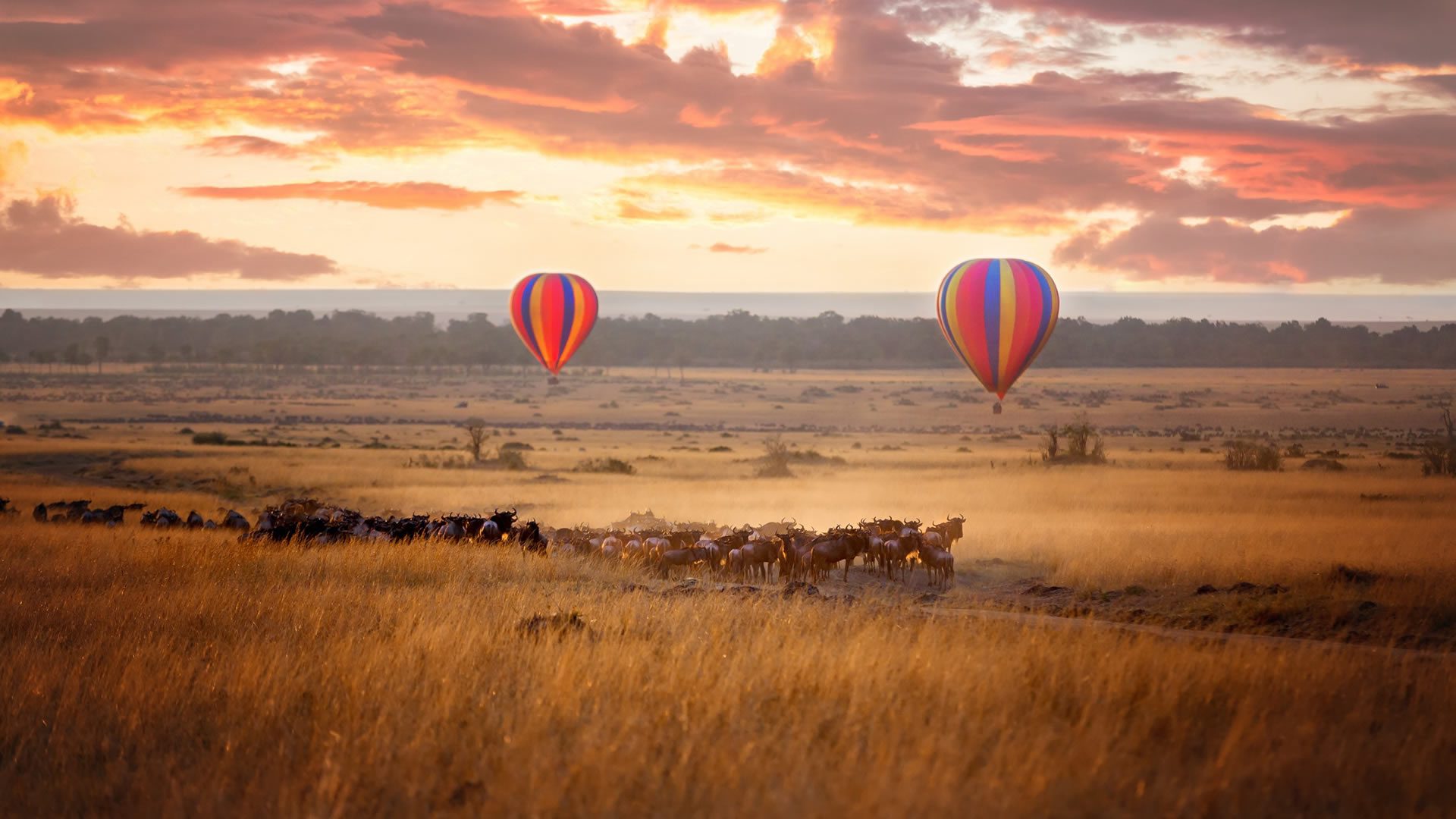
Experience Maasai Mara Game Reserve
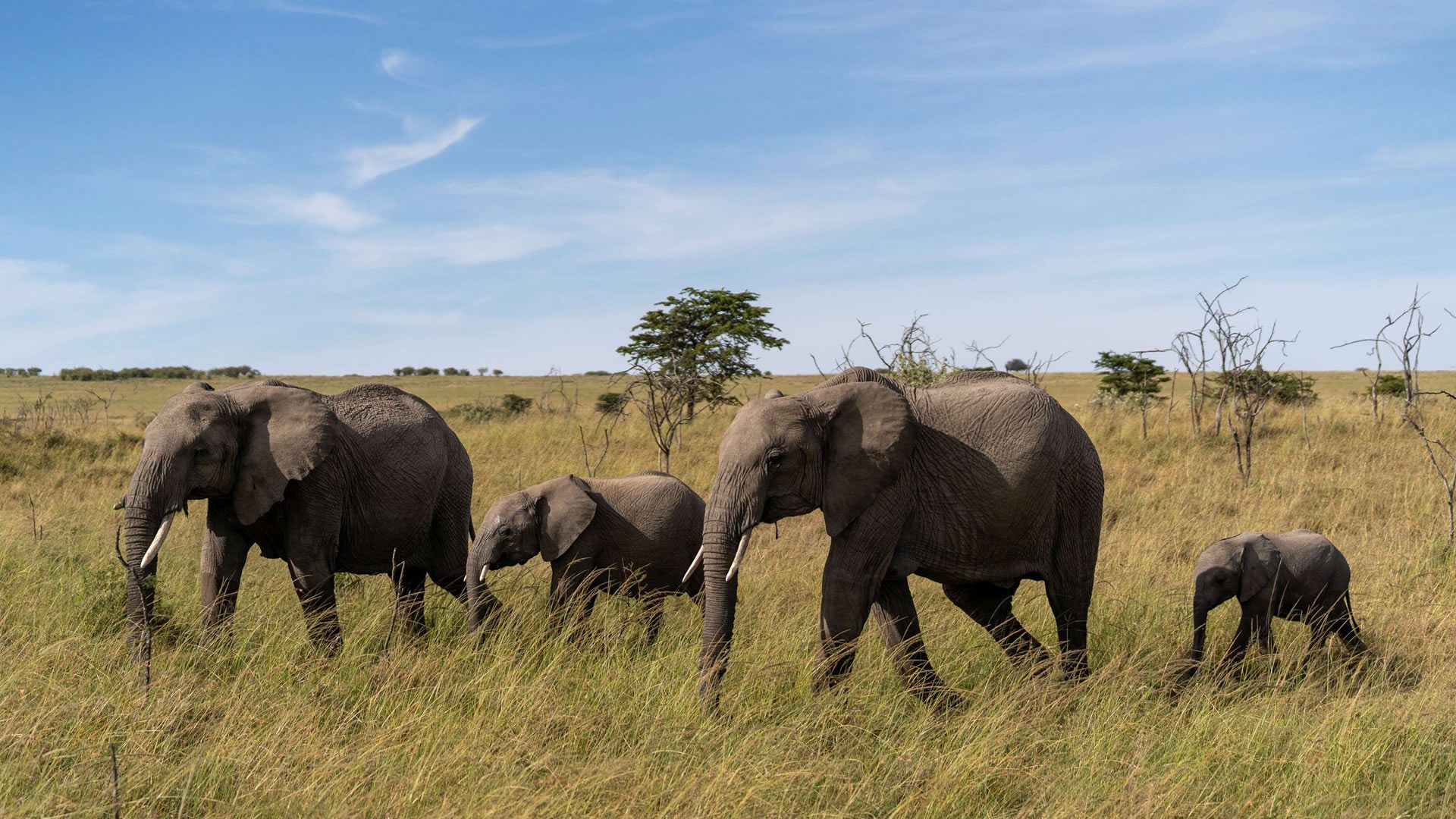
Masai Mara now also comprises a number of conservancies and group ranches bordering the main reserve and is home to some of the most diverse species of African wildlife and is also the site of the annual Wildebeest migration, simply called the ‘Great Migration’. Everything’s big here: it’s a landscape of rolling plains and rounded hills, of groves of acacia woodland and dense thickets of scrub. The reserve is bisected by the Mara River and its tributaries, which are margined by lush riverine forest and the site of spectacular river crossings during the migration.
The reserve’s southern boundary is contiguous with Tanzania’s Serengeti National Park, which shares the Great Migration herds. It has been developed on the lines of a national park, where, unlike in the bordering conservancies, human settlements are unable to intrude and game-viewing is restricted to game drives and horse riding safaris.
Where to find Maasai Mara Game Reserve
Birdlife at the Maasai Mara Game Reserve
The Maasai Mara Game Reserve isn’t one of Kenya’s birding hotspots. However, with more than 500 bird species recorded, this isn’t a bad place to mark off a lot of Kenya’s savannah species from your bird list. The park is particularly rich in raptors with 57 species present. Bateleurs can often be seen soaring above the grassy plains and predator kills are a good place to find up to six species of vultures scavenging. Migratory birds are present from November to April.
The Masai Mara offers good bird-watching any month of the year, but the best time is from November to April when the migrants from Europe and north Africa arrive. This coincides with the Wet season when many species can be seen in breeding plumage. June to October is the Dry season, and tends to be best for general wildlife viewing.
Visit Similar Destinations
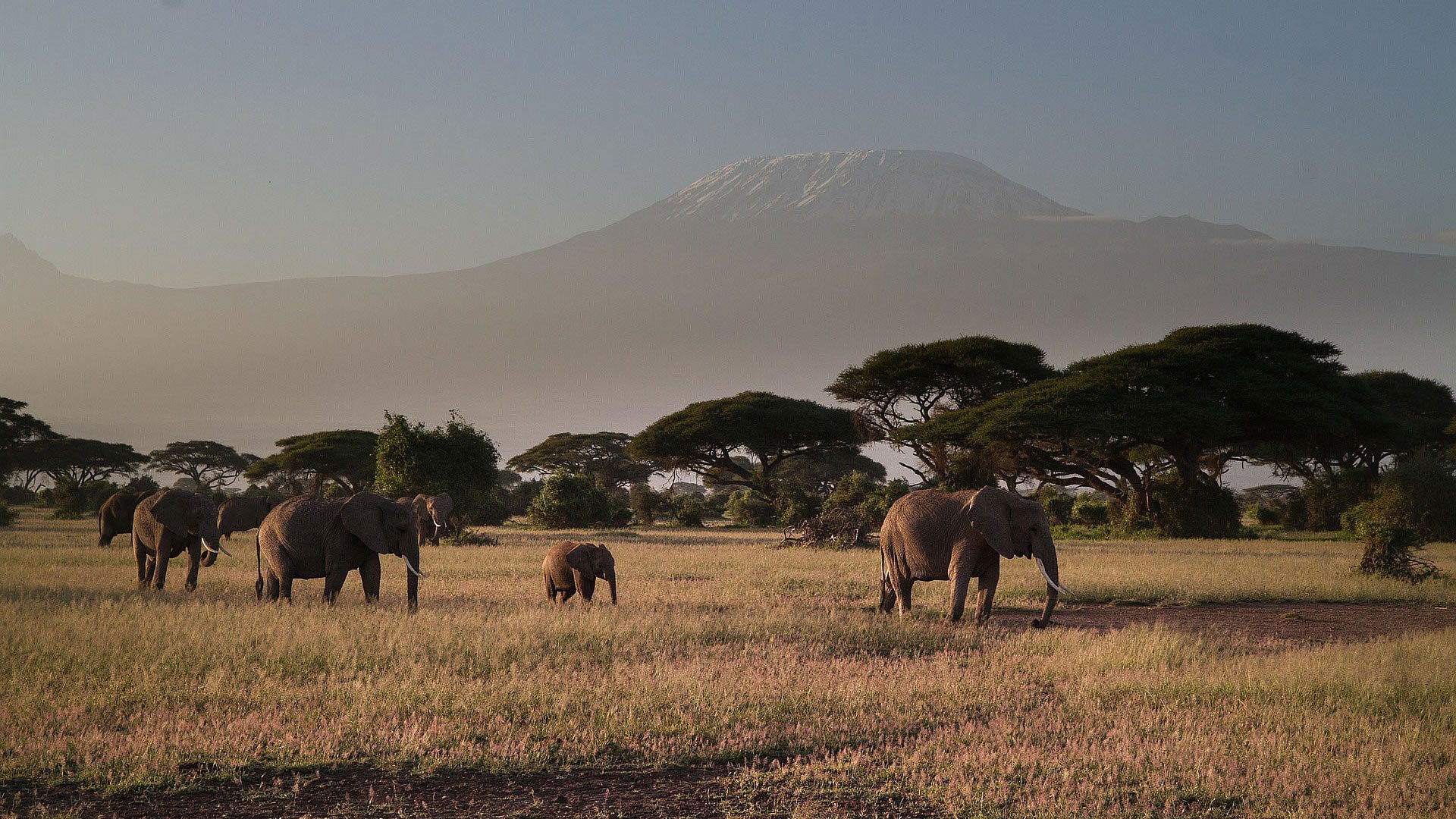
Picturesque, steep forested ravines and open moorland conservation area that provides a habitat for a variety of wildlife and birds.
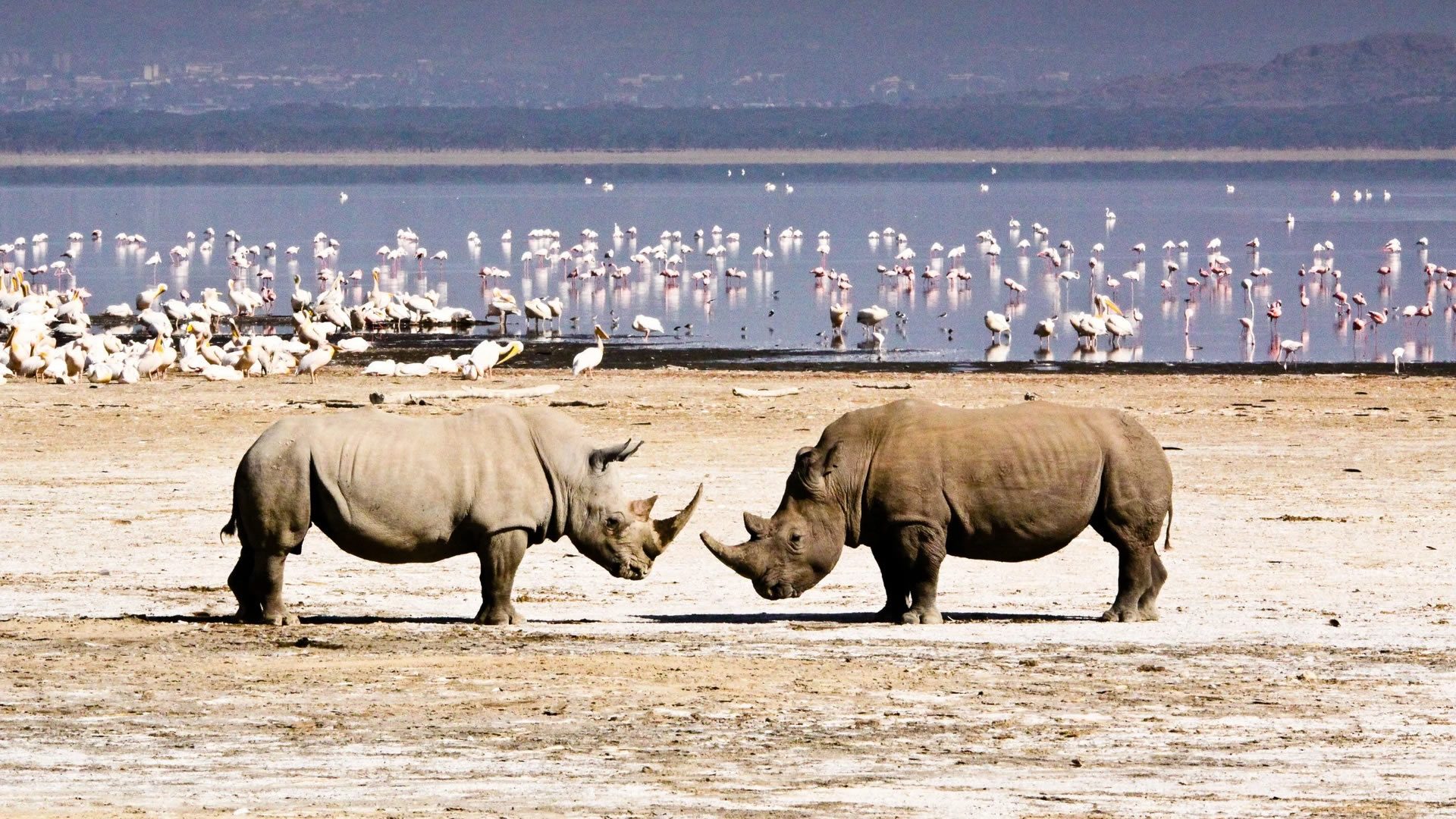
Often called the greatest bird spectacle on earth, the flamingos are undoubtedly one of Kenya’s top attractions. Lake Nakuru National Park is one of Kenya’s Rift Valley lakes
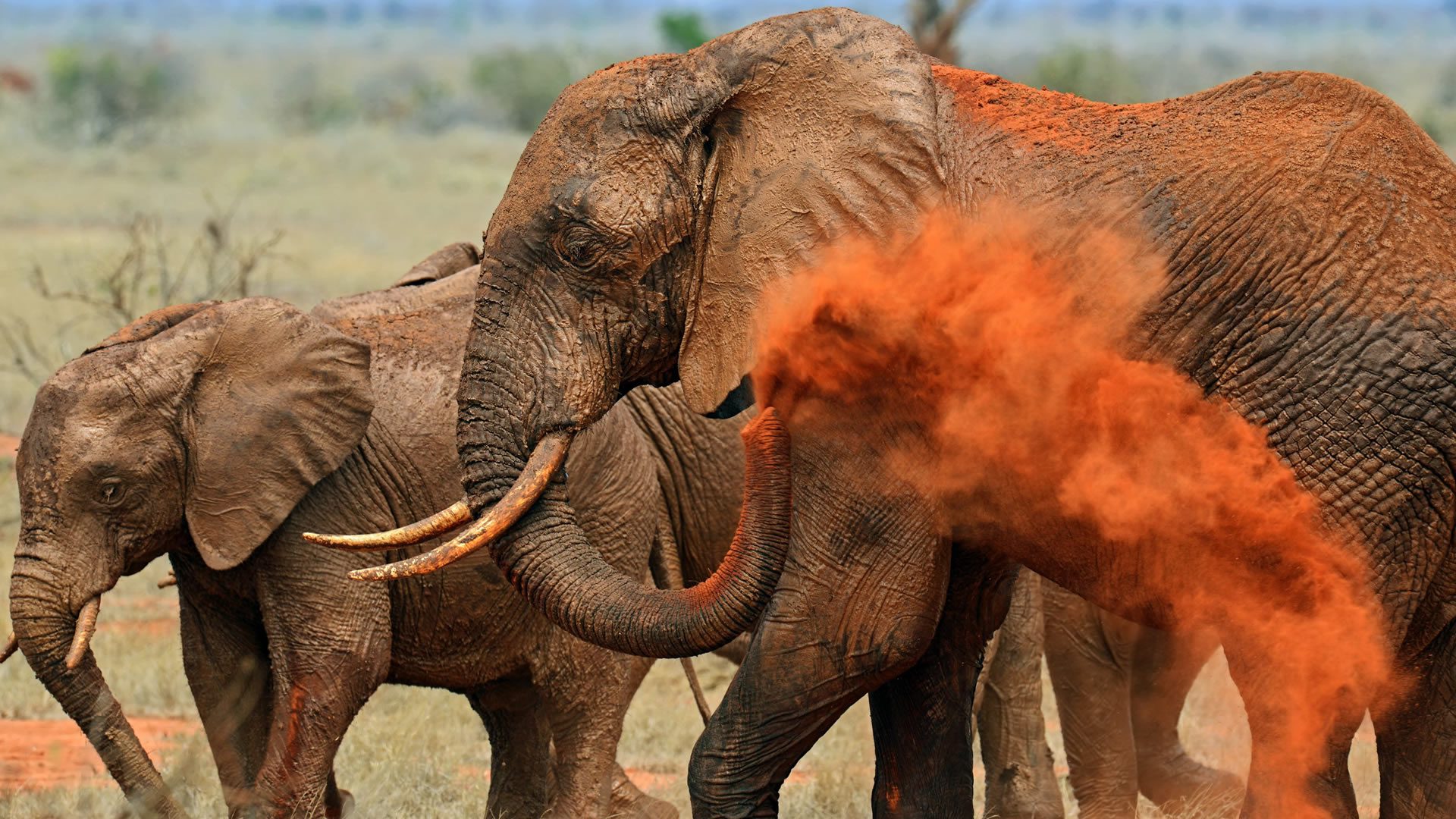
Kenya’s oldest and largest national park, Tsavo East’s rugged volcanic landscape, is a haven for Kenya’s northern and southern species. Ideal for those who wish to combine their safari with a beach holiday.
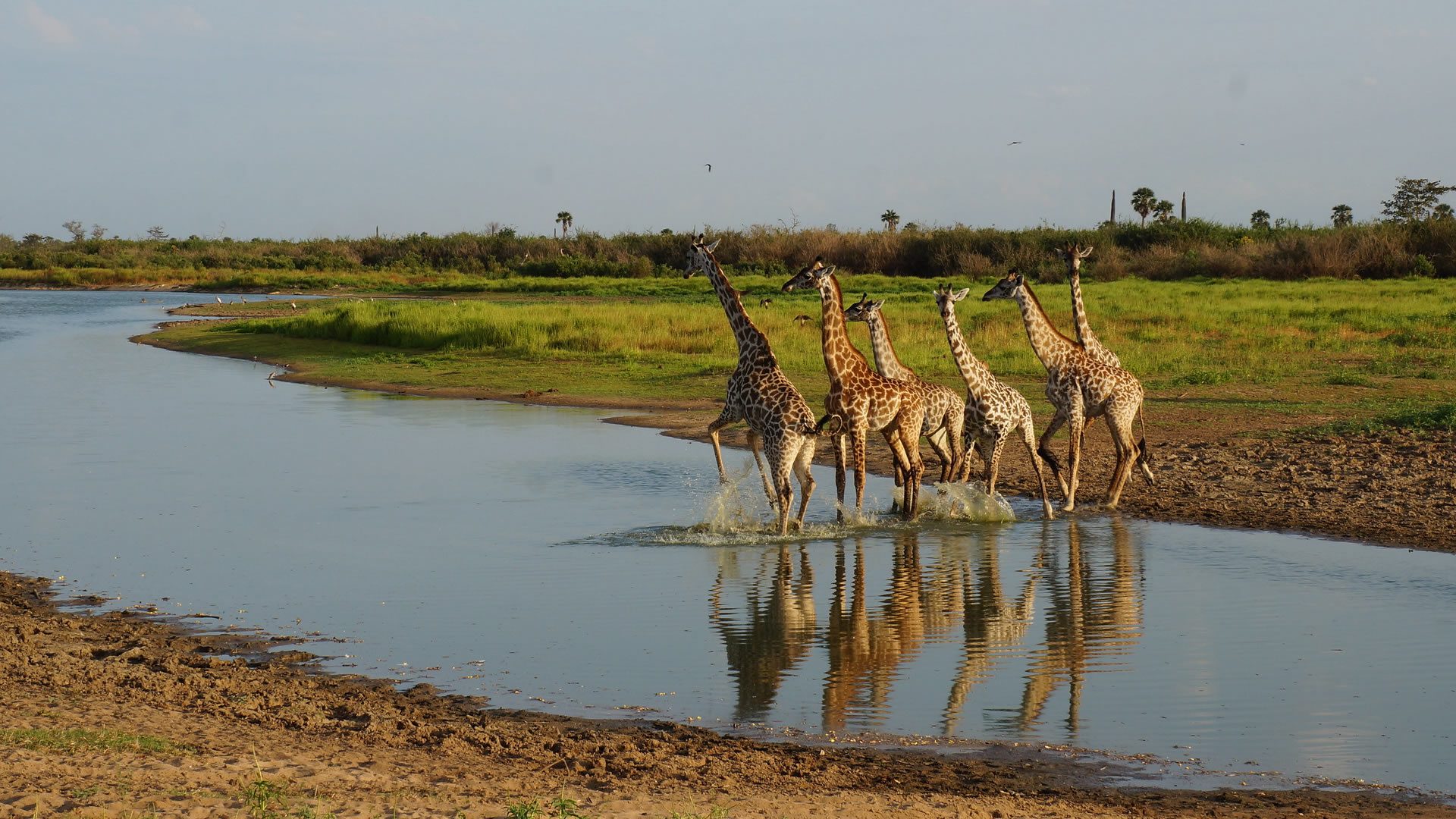
Serengeti National Park symbilozes the classic African Safari. With more than 2 million wildebeest, half a million Thompson’s gazelle, and a quarter of a million zebra, it has the greatest concentration of plains game in Africa.
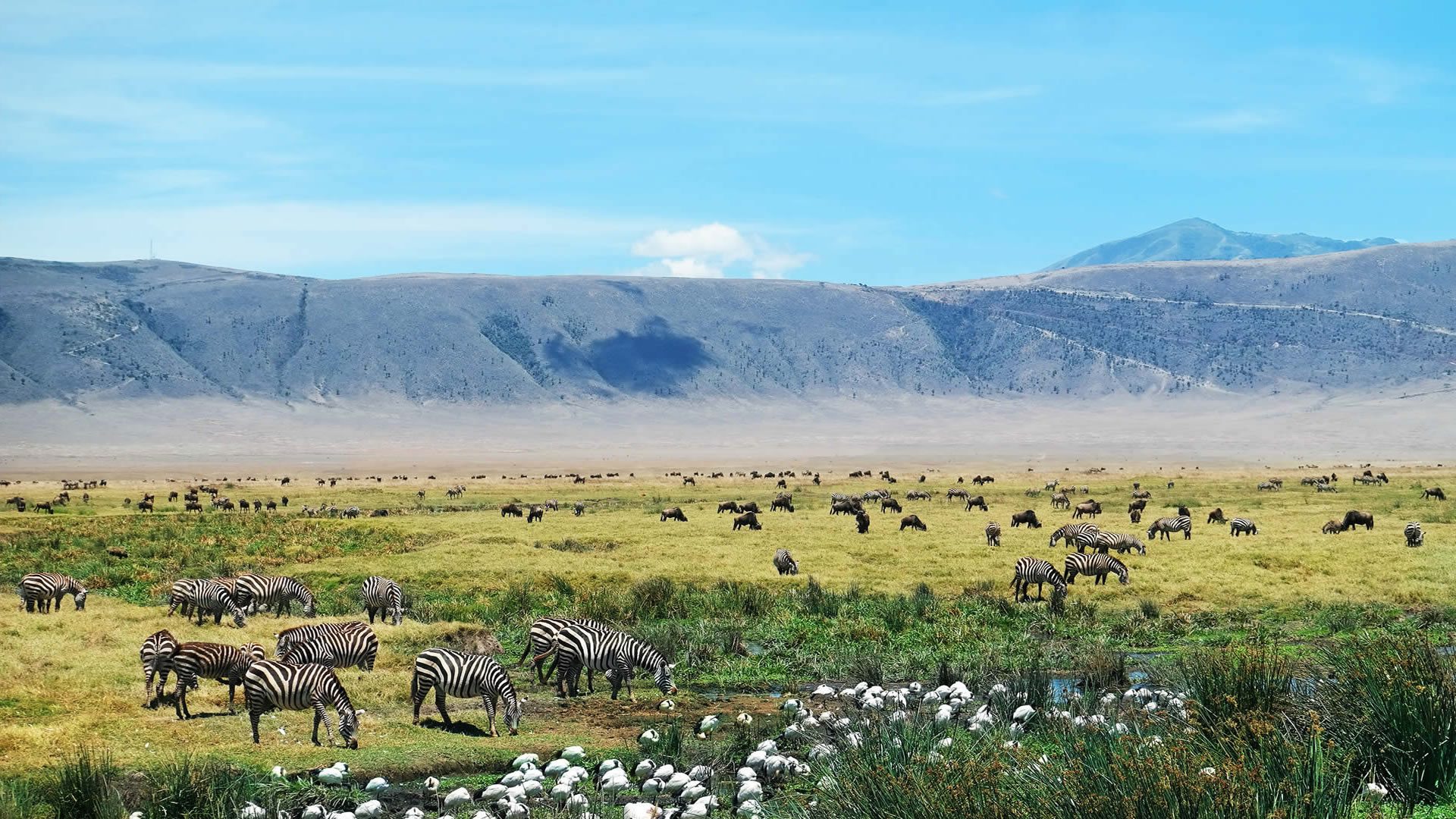
Ngorongoro Crater is the world’s largest intact volcanic caldera. Forming a spectacular bowl of 265 square kilometers, with sides upto 600 meters; it is home to approximately 30,000 animals at any one time.
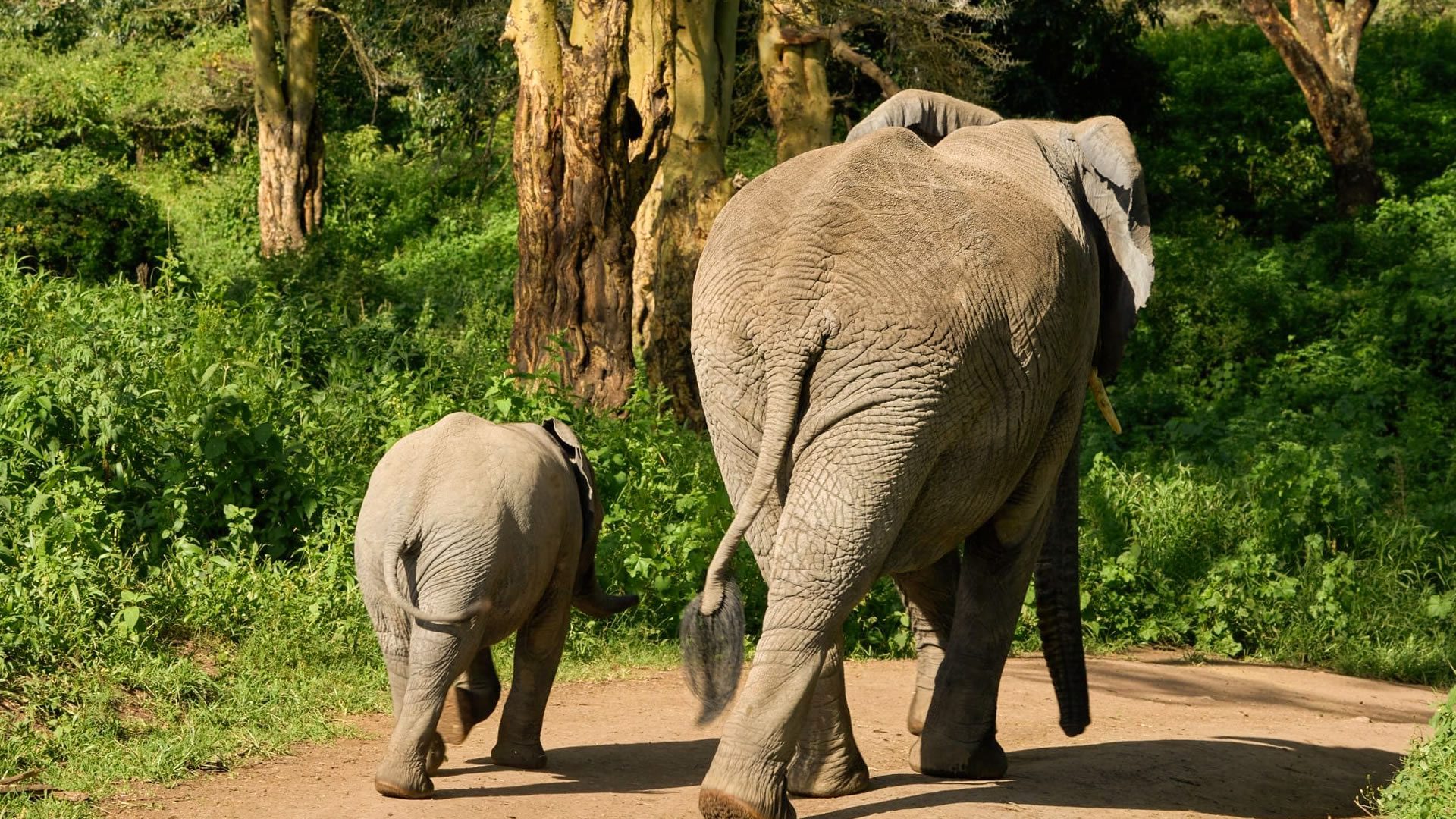
Tarangire is an excellent reserve for elephants viewing and the famous Baobab trees. The landscape and vegetation is incredibly diverse with a mix that is not found anywhere in the nothern safari circuit.