
Ngorongoro Conservation Area Highlights
Ngorongoro Crater is part of the Ngorongoro Conservation Area, a UNESCO World Heritage Site that spans 8,300 sq km (3,200 sq miles) across Tanzania’s Crater Highlands. Away from the hive of activity around the crater you can take in more volcanic scenery, including two smaller craters — Olmoti and Empakai. You also have the sheer cliffs of the Great Rift Valley, and the vivid waters of Lake Natron, a salt and soda lake tinged raspberry and orange by salt-loving microorganisms. There are lots of hiking opportunities in these untouched areas, taking you through forests, grasslands and rocky outcrops, and into volcanic craters along Maasai cattle trails. You can also spend time in Maasai communities for an authentic taste of their culture, where you can have a go at herding cattle and visit a local soko (market).
Within the Ngorongoro Conservation Area is Olduvai Gorge, one of the most significant sites for hominid fossil discoveries in the world. It was in this steep-sided gorge that the earliest known human ancestors lived just under two million years ago, and some of their petrified remains were found here during the mid-20th century. You can visit the gorge’s museum, where real fossils and casts of the early human skulls are on display.are miles) on Tanzania’s northern border with Kenya. The park is famous for its vast, open grasslands, which allow for excellent sightings of the abundant wildlife. Tanzania’s oldest game reserve, it is also one of the oldest ecosystems on earth and its climate and vegetation have remained largely untouched for millions of years.
Ngorongoro Conservation Area In Pictures
Experience Ngorongoro Conservation Area
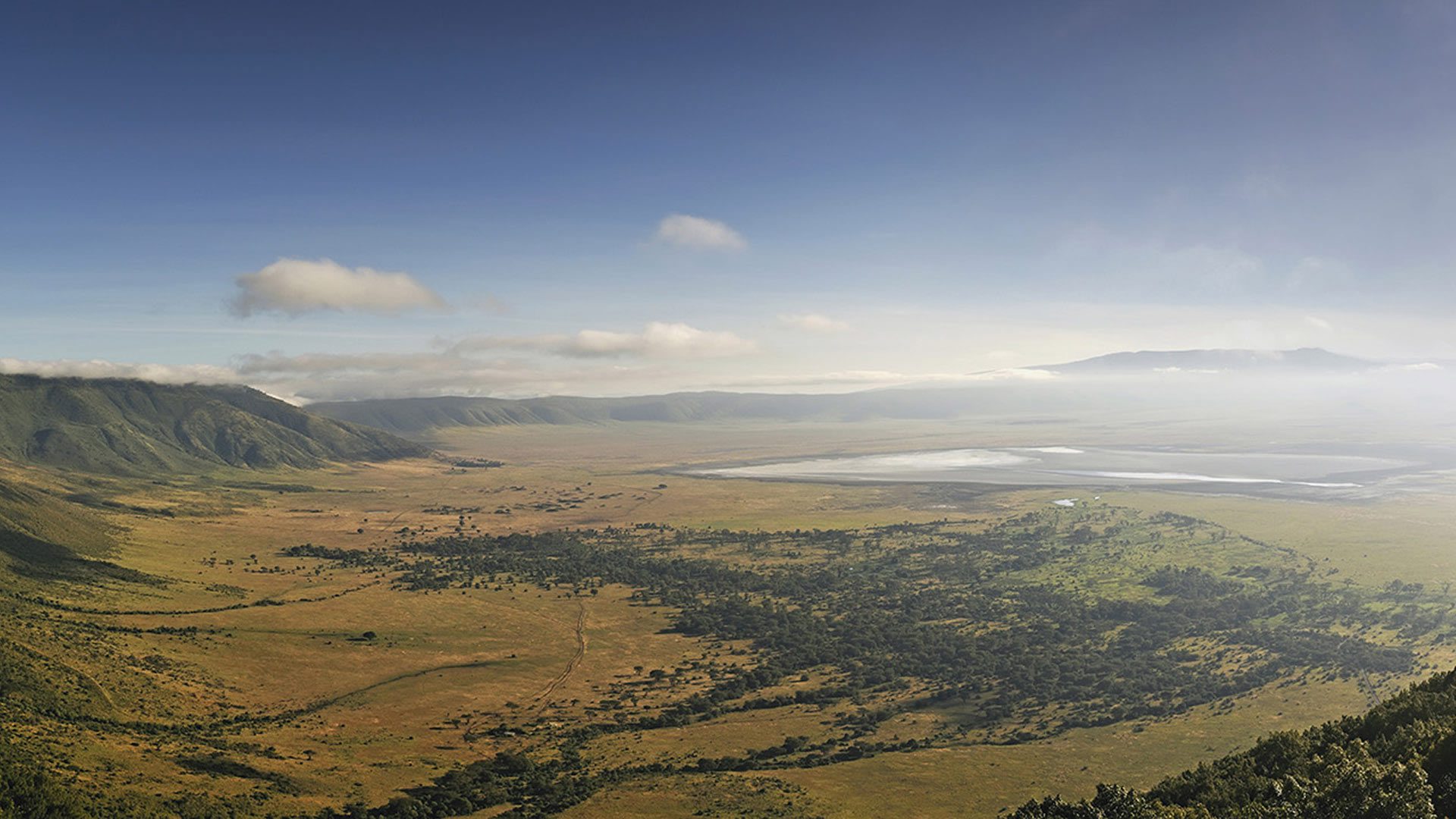
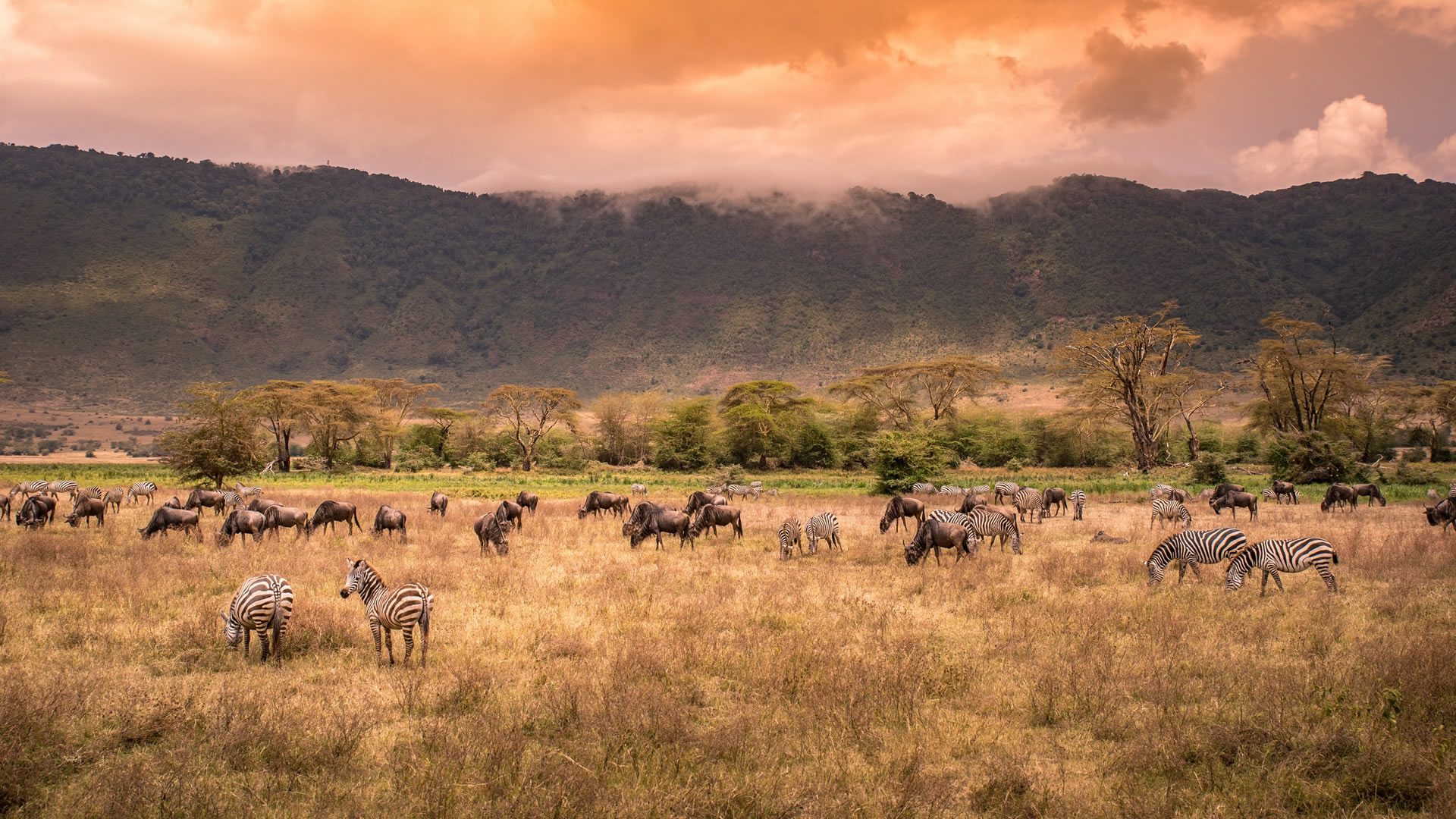
The Ngorongoro Conservation Area, between the Great Rift Valley and Serengeti, is home to a variety of ecosystems including highland plains, savannah, grassland, forests and marshlands. This creates a diverse landscape that offers habitats well-suited to a wide range of wildlife. Travellers visiting the Ngorongoro Conservation Area can enjoy a number of incredible and unique experiences such as: exploring its nine volcanic craters (one of which is the largest unbroken volcanic caldera in the world), viewing the dense wildlife populations – including the Big 5, observing Ngorongoro’s abundant prolific birdlife, and witnessing the evolution of the human race at Olduvai Gorge.
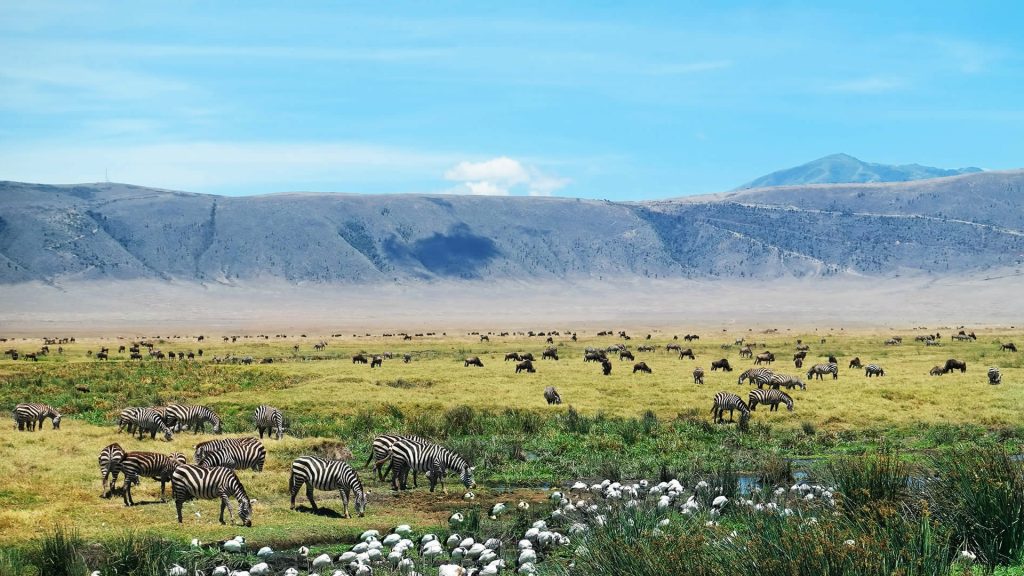
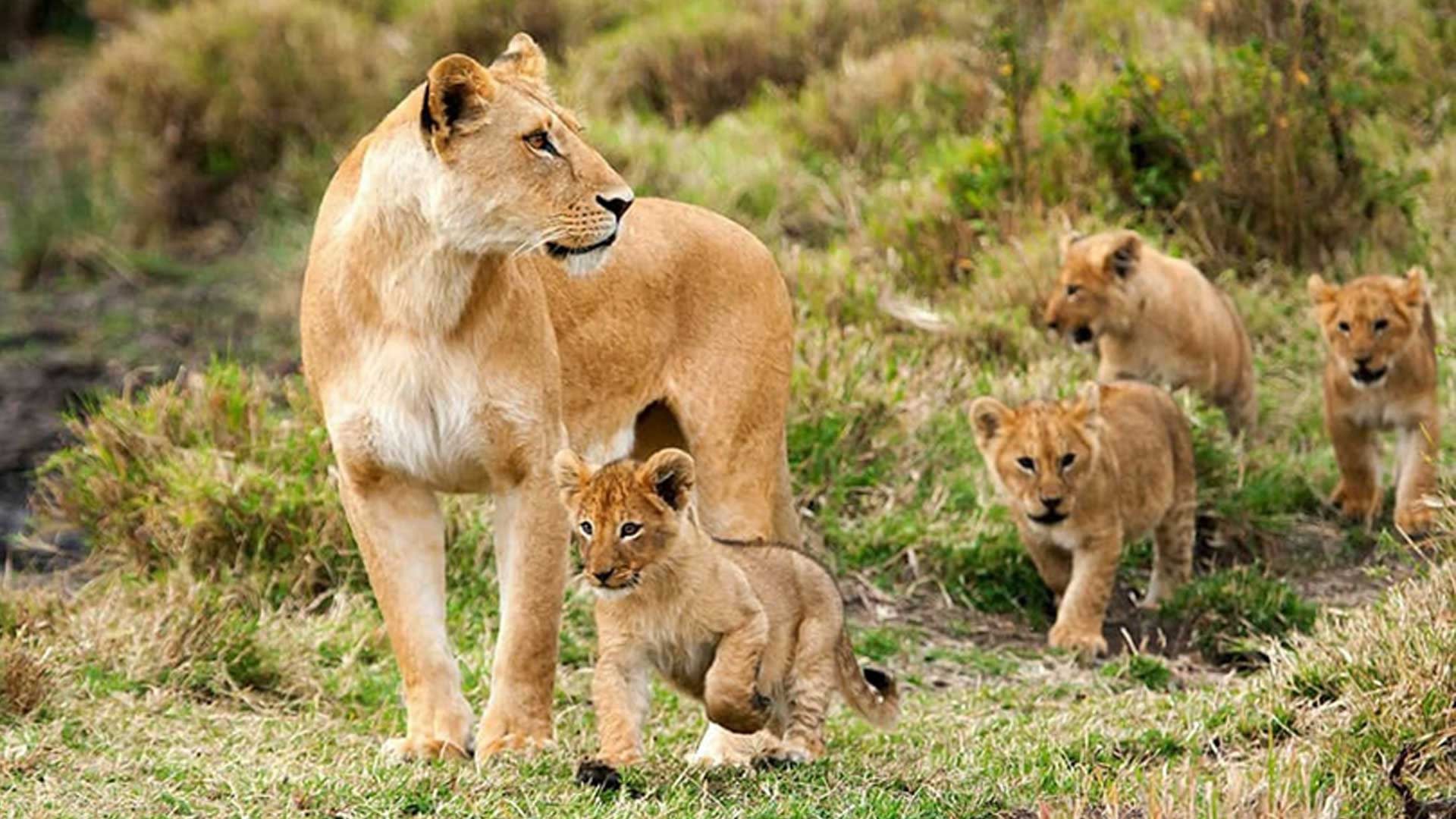
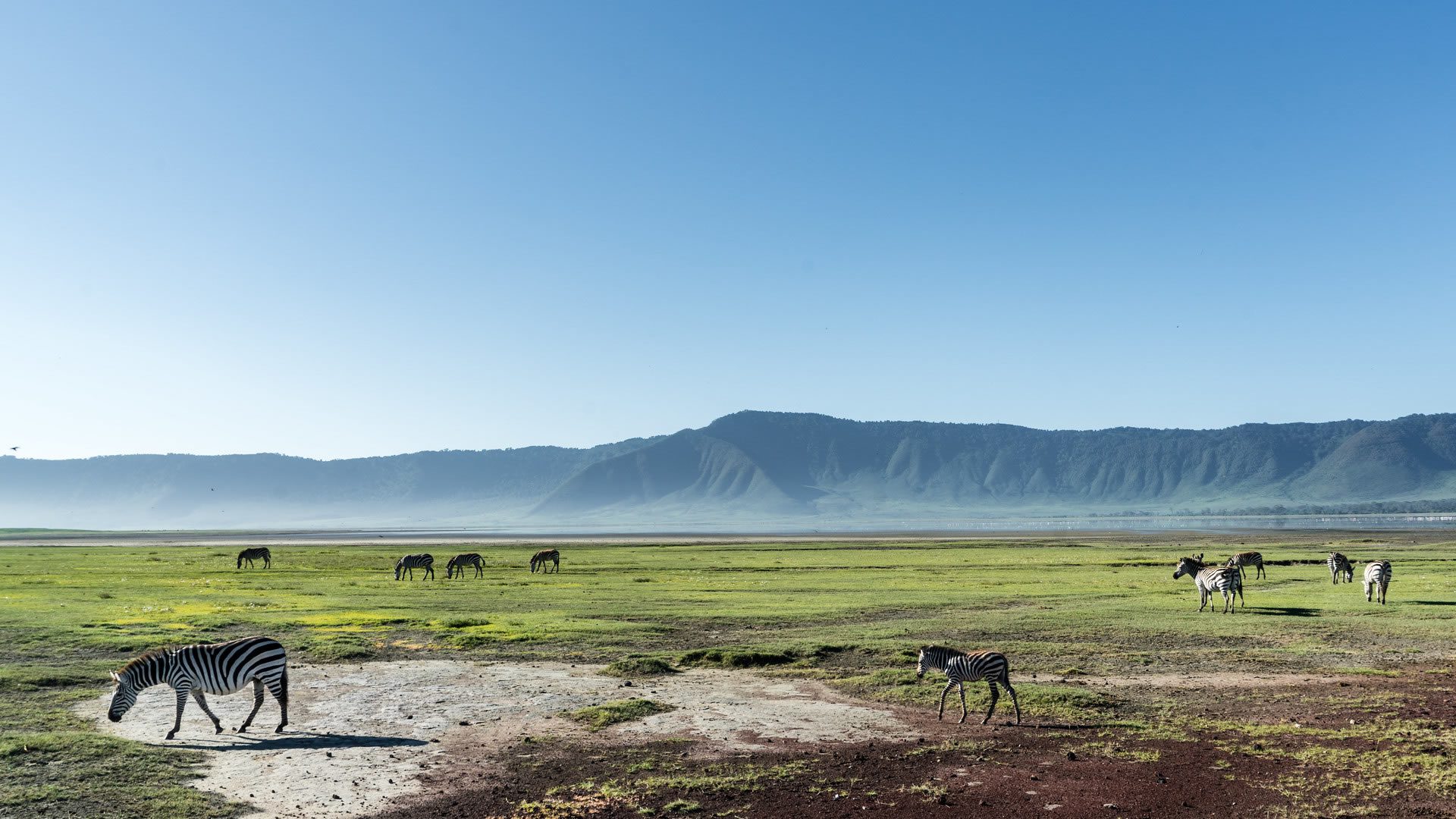
The natural protection of the crater’s 600 m (1,968 ft) high walls helps many species to thrive. This is the best place in Tanzania to see critically endangered black rhino. Wildebeest, zebra, eland and gazelle carpet the short grassland, watched hungrily by lion, cheetah, wild dog and hyena. And the waters of Lake Magadi are often mottled pink by flamingos.
Where to find Ngorongoro Conservation Area
Birdlife at the Ngorongoro Conservation Area
Both the Ngorongoro highlands and the crater offer excellent birding, with over 500 species recorded. Birdlife in the highland forest is rich and interesting. Among the birds to be seen are white-eyed slaty flycatcher and Livingstone turaco. A number of specialized grassland birds are resident in the crater. Most noticeable are ostrich, kori bustard, crowned crane and the secretary bird. Migratory birds are present from November to April.
Although birdlife is generally good throughout the year, from November to April migratory birds from Europe and northern Africa are present, and many resident birds are in breeding plumage. This makes it the best time for bird watching. The best time to watch wildlife is during the Dry season, which is June to October.
Visit Similar Destinations
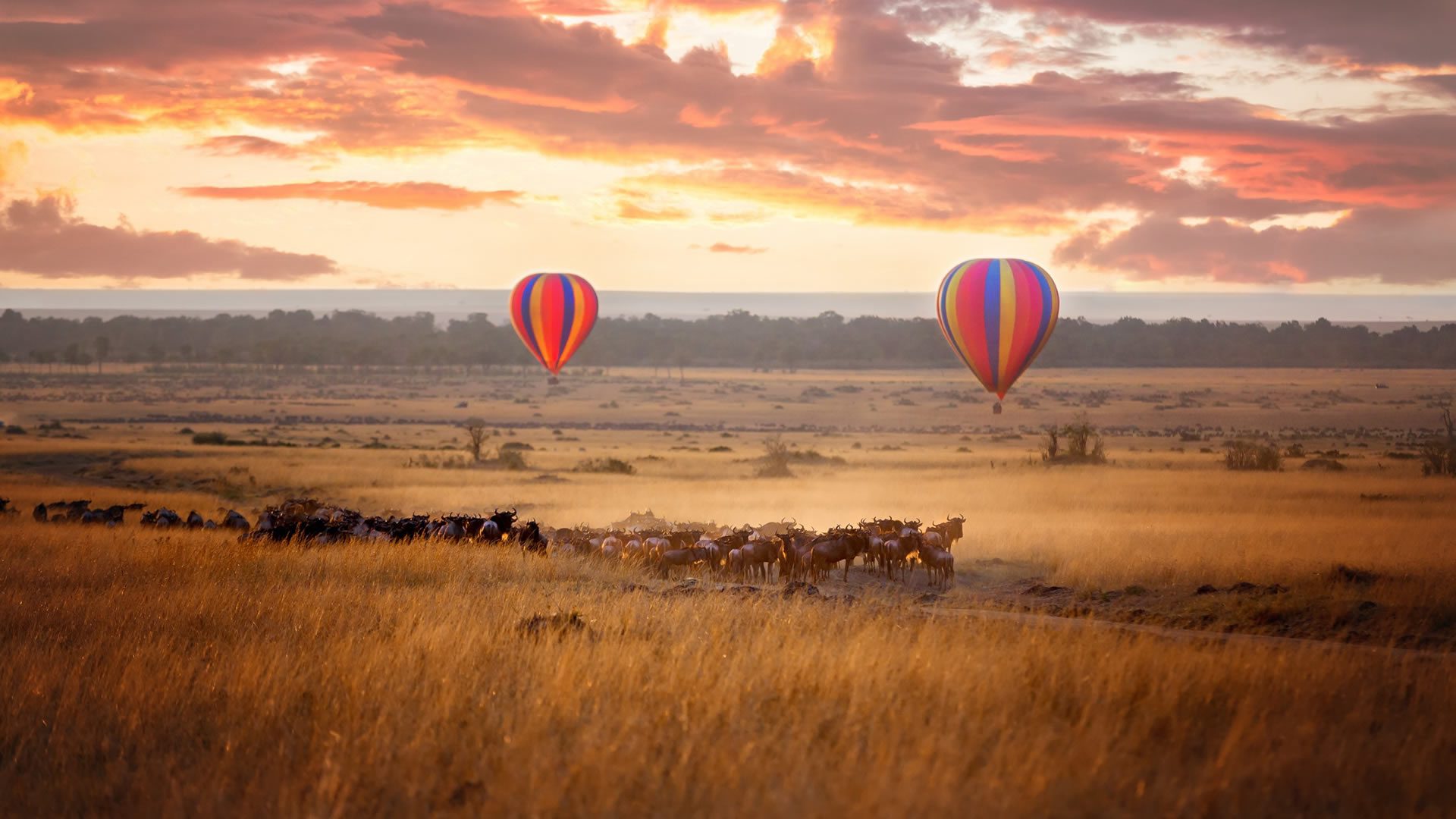
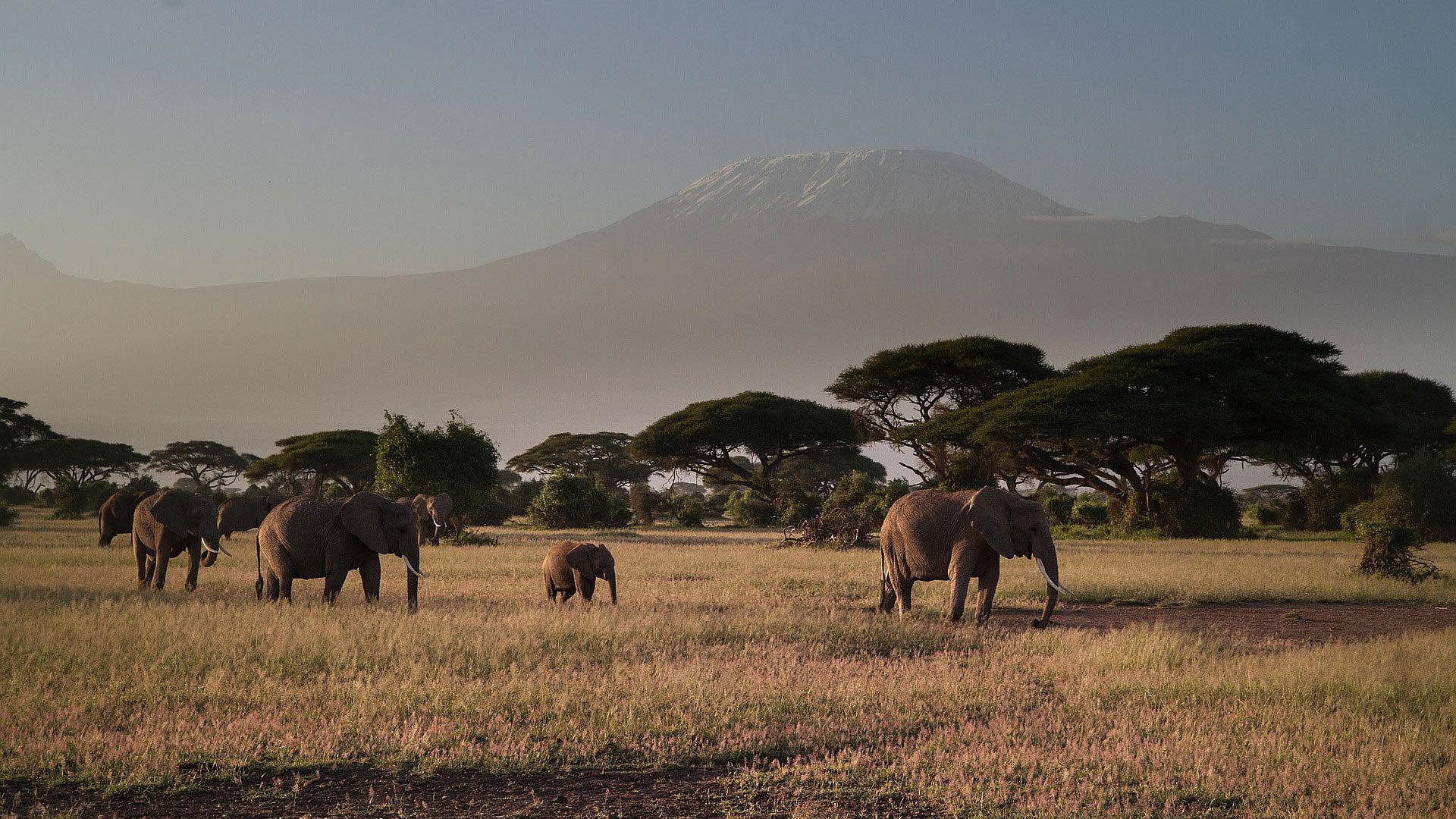
Picturesque, steep forested ravines and open moorland conservation area that provides a habitat for a variety of wildlife and birds.
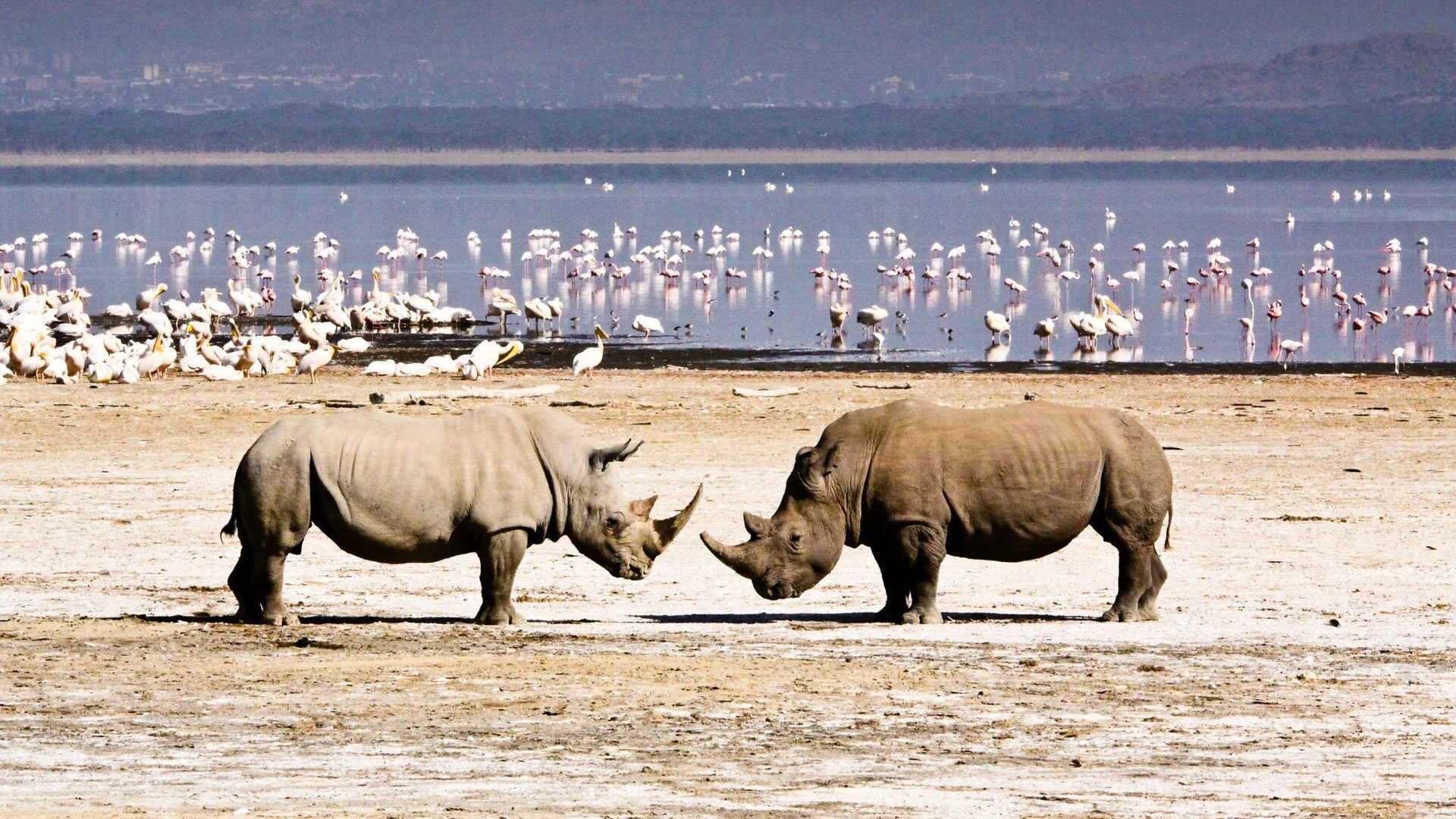
Often called the greatest bird spectacle on earth, the flamingos are undoubtedly one of Kenya’s top attractions. Lake Nakuru National Park is one of Kenya’s Rift Valley lakes
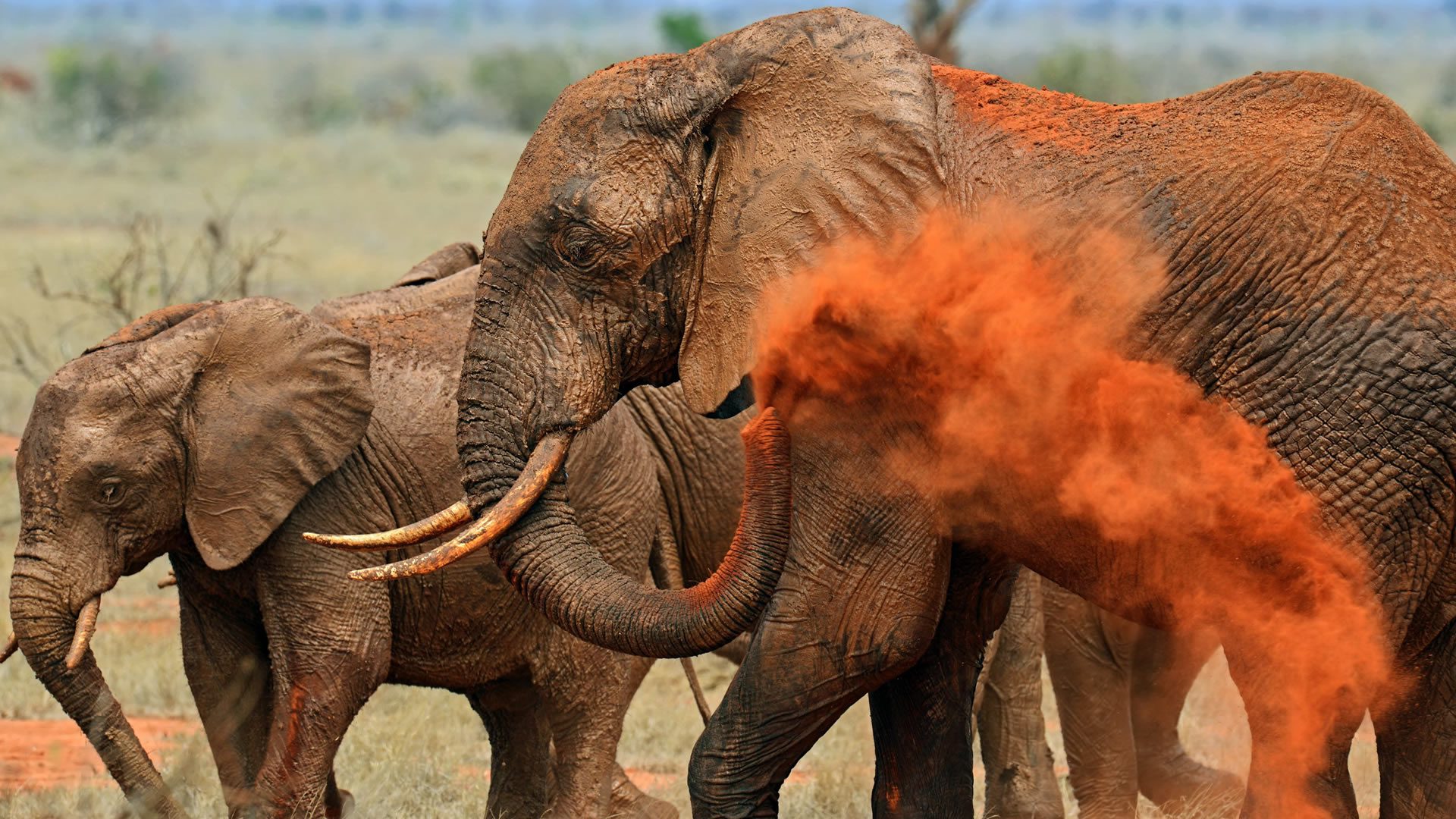
Kenya’s oldest and largest national park, Tsavo East’s rugged volcanic landscape, is a haven for Kenya’s northern and southern species. Ideal for those who wish to combine their safari with a beach holiday.
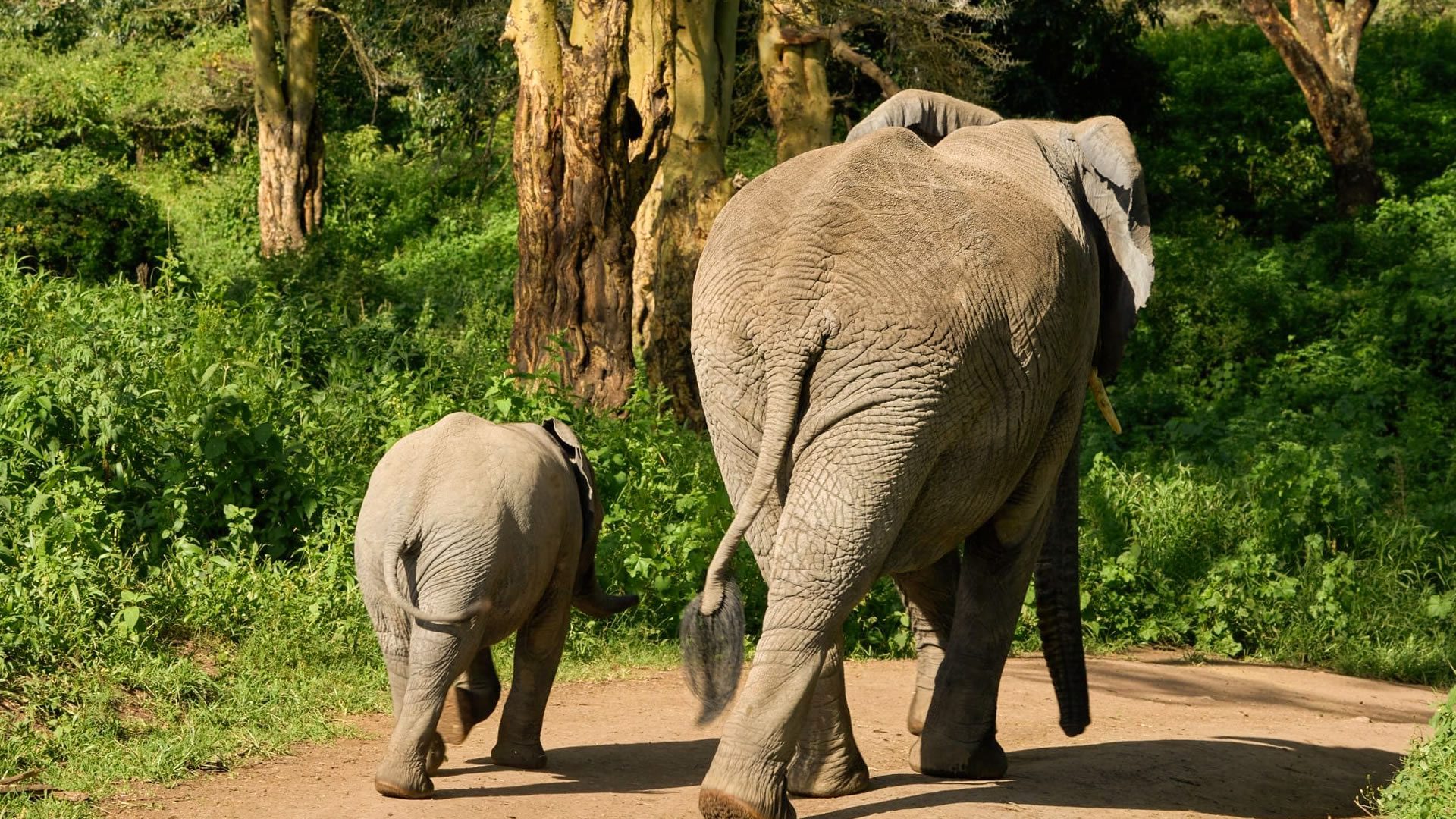
Tarangire is an excellent reserve for elephants viewing and the famous Baobab trees. The landscape and vegetation is incredibly diverse with a mix that is not found anywhere in the nothern safari circuit.
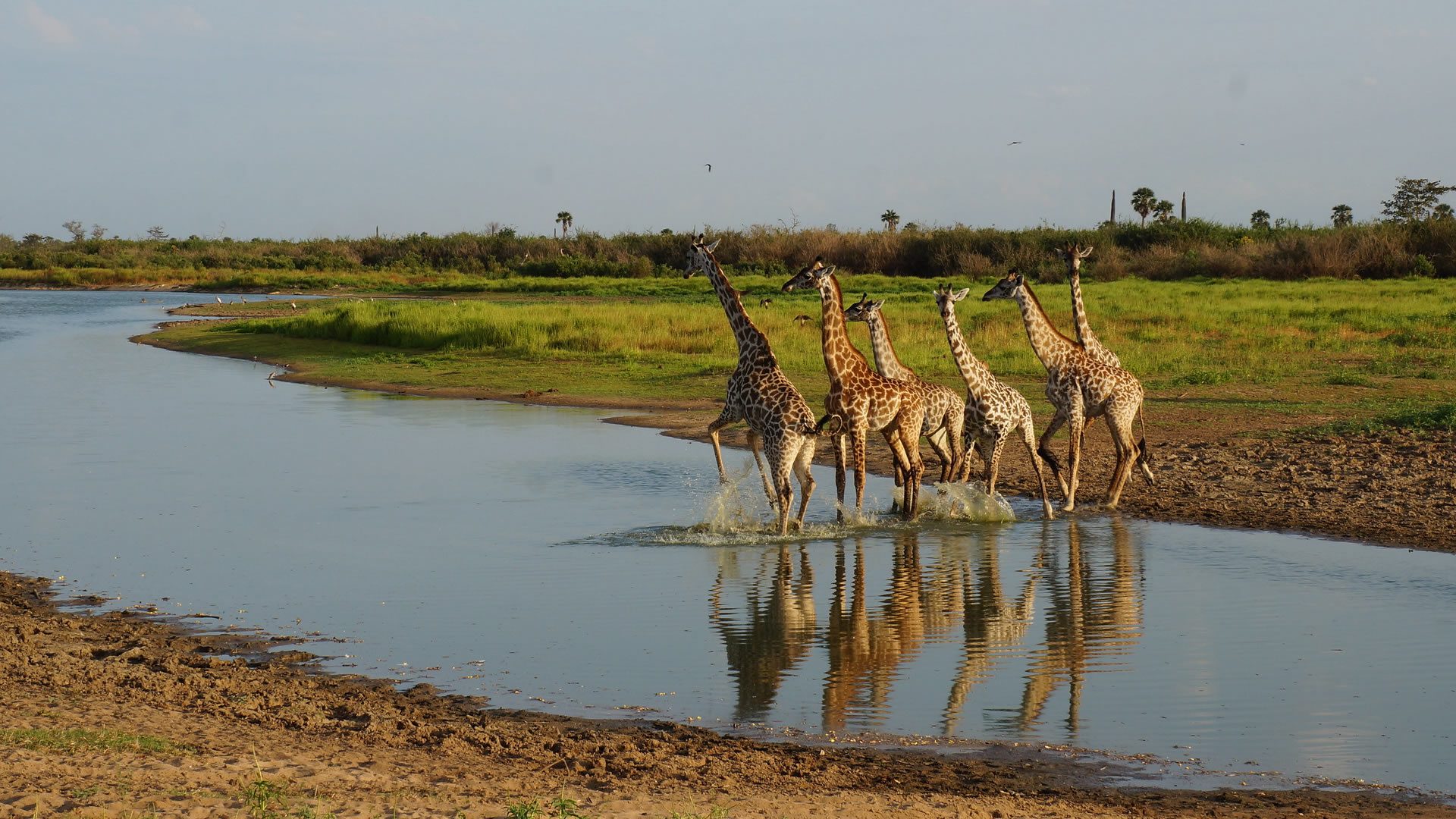
Serengeti National Park symbilozes the classic African Safari. With more than 2 million wildebeest, half a million Thompson’s gazelle, and a quarter of a million zebra, it has the greatest concentration of plains game in Africa.